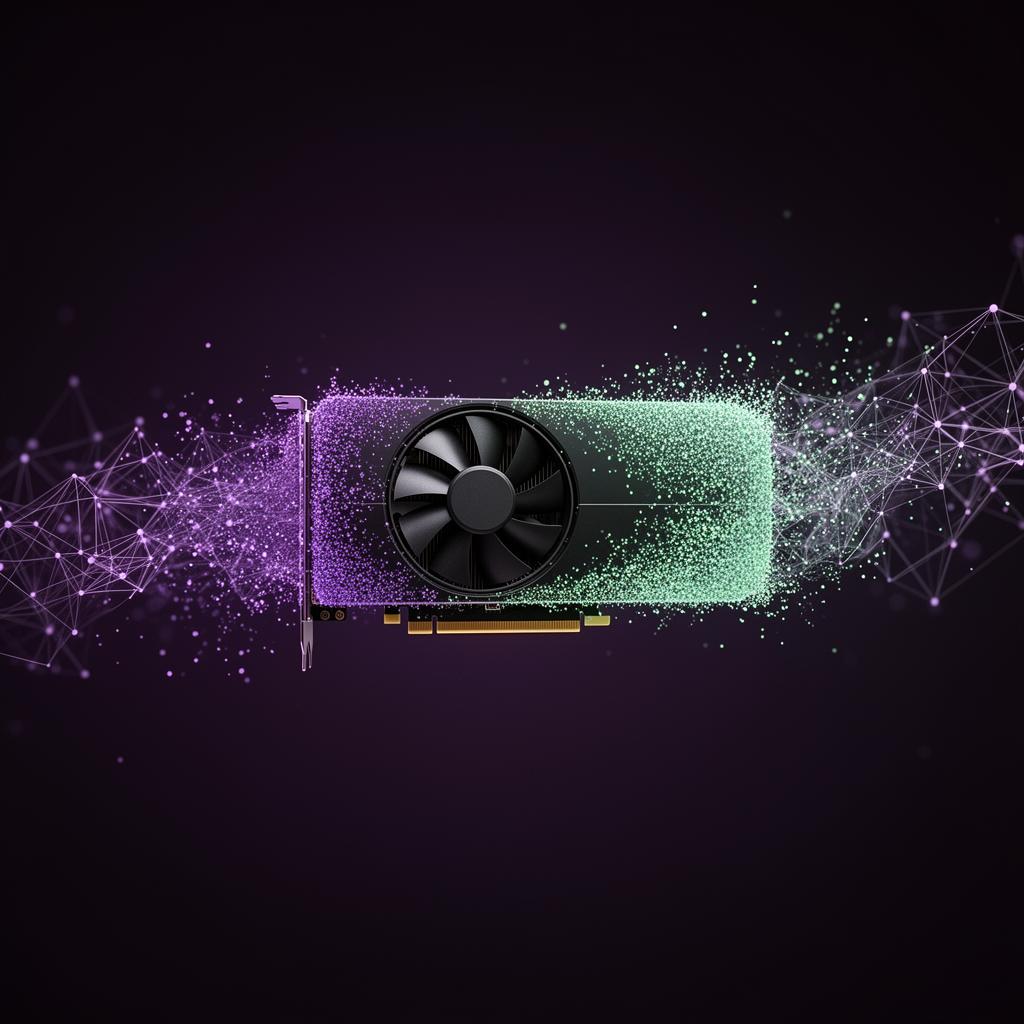

Watch: The TAHO Explainer
This video breaks down how TAHO works, why legacy orchestration is holding your infrastructure back, and what it means to unlock your full compute capacity.
What You'll Learn
- Why traditional orchestration tools are burning cash you've already spent
- How TAHO distributes decision-making across your infrastructure
- The difference between legacy scheduling and a self-organizing compute fabric
- How teams are seeing up to 30x faster execution and 90% lower compute costs
The Problem
Legacy orchestration was built for a different era. Central schedulers create bottlenecks. Containers add overhead. Idle capacity sits unused while you pay for it. As AI and HPC workloads grow, the gap between what your hardware can do and what your orchestration allows it to do keeps widening.
The TAHO Approach
TAHO replaces the central control plane with a distributed peer-to-peer mesh. Every node participates in scheduling, workload placement, and resource discovery. There's no single point of failure, no queue to jam up, and no wasted capacity.
The result: your existing machines do dramatically more work, jobs start in milliseconds instead of seconds, and you stop paying for orchestration overhead that adds zero value.
Who This Is For
This explainer is built for infrastructure leaders, platform engineers, and technical decision-makers evaluating how to get more from their compute investment — without ripping and replacing their entire stack.